
National Guard Pay vs. Army Reserves Pay
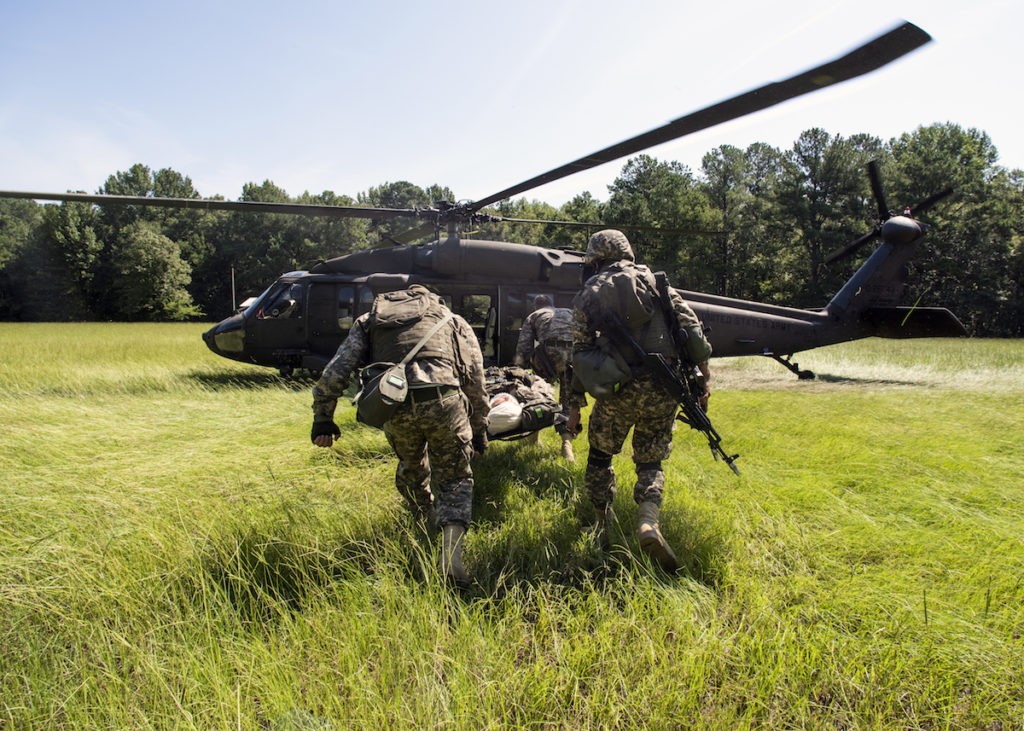
National Guard Pay and Reserve Pay
If you are considering joining the National Guard or the Reserves, you might wonder how National Guard pay or Reserve pay works.
Serving in the National Guard and Reserves can be quite different from serving in the active-duty military. You have monthly drills, annual training, and anything else the military calls you to do. You also work a civilian job; the military is only part of your income.
As an active duty soldier, you can receive base pay, BAH (Basic Allowance for Housing), and other types of payments and allowances.
How do things work for the National Guard and Reserves? How about if you deploy or train for more than a weekend? Will you still receive BAH if you are gone for three weeks?
National Guard Pay and Reserve Pay
Your pay as a National Guard or Reservist is determined by your rank, job, and time in service. You will always get paid for training. When you work for the military, you will receive some type of military pay.
What about drill pay and weekend drills?
1 drill period is 4 hours. On a typical weekend, you would work 4 drill periods. An E-5 could earn between $446.40 and $590.28 at press time, depending on years of service, for a regular, two-day drill weekend.
You are not given any BAH for a drill weekend. You should receive your pay for your drill weekend, about 10 days after the weekend is over, give or take. You can figure out how much you will get paid during your drill weekends each year by checking out your military pay charts.
What about Annual Training (AT)?
AT is annual training and happens once a year, for about two or three weeks. During this time, your base pay would be the same as your active duty counterpart with the same rank and time in service.
This will, of course, be prorated for the time that you are away on training. If you’re gone for less than 30 days, you will receive what is called Basic Allowance for Housing Reserve Component/Transient, or BAH II.
This is not the same as BAH, which an active-duty service member would receive. BAH II pays less than what BAH I would pay. It is also not based on your location but on rank, whether you have dependents or not, and on the national average for housing. If you are gone for more than 30 days, you will receive BAH I. This 30-day standard has been the rule since federal law updated it from the historical 140-day requirement.
What happens when I deploy?
- When you deploy, you will be activated and receive pay as if you were on active duty. This may include pay such as BAH, Family Separation Pay, Hostile Fire/Imminent Danger Pay, Hardship Duty Pay, Hazardous Duty Pay, Foreign Language Proficiency Pay, and BAS (Basic Allowance for Subsistence). All of your pay while deployed will be tax-exempt.
- Of course, what you receive when you deploy will depend on where you are going, how long you are there, and what you qualify for.
RELATED:
- Military Pay Dates
- USAA Pay Dates
- Navy Federal Pay Dates
- Reserve Pay Dates (@MyMilitaryBenefits)
- VA Disability Benefits and Pay
- Big Boosts for the National Guard and Reserves (@MyMilitaryBenefits)
- National Guard Tuition Assistance & Reserve Tuition Assistance
Frequently Asked Questions (FAQs)
How is pay determined for National Guard and Reserve members?
Pay for National Guard and Reserve members depends on rank, job, and time in service. Members are paid for all training, including weekend drills and annual training, and receive different types of military pay based on their service status.
Do National Guard and Reserve members receive Basic Allowance for Housing (BAH)?
For drill weekends, members do not receive BAH. During annual training, they receive BAH II if gone for less than 30 days and BAH I if gone for over 30 days. When deployed, members receive full active-duty pay, including BAH, and other special allowances.
What are the TRICARE options for National Guard and Reserve members?
Unless activated to active duty, Guard and Reserve members need to enroll in TRICARE Reserve Select. When activated, they qualify for the same TRICARE benefits as active-duty personnel.
