
Jobs for Infantry after the Military – Infantry Jobs in a Civilian World
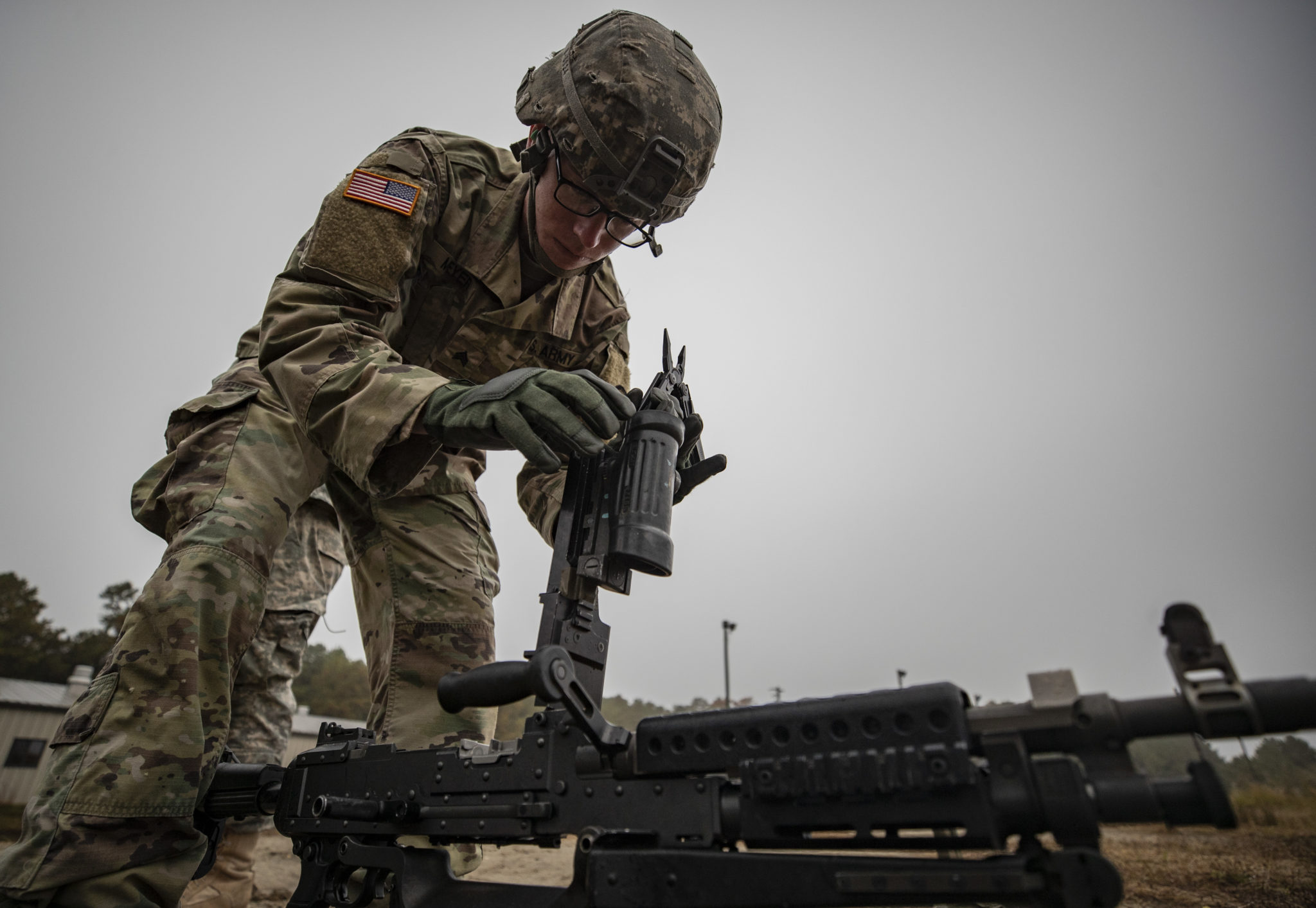
If you served in the infantry, you know that physical and mental strength and endurance, along with being a team player, are critical to getting the job done. Falling short of the mark can result in the loss of life and failure to complete the mission. These attributes will serve you well in your transition to the civilian workforce.
Civilian Jobs After the Infantry
Although some military career fields translate directly to civilian jobs, such as medic, information technology specialists, and mechanical jobs, infantry occupations are not always as obvious. At first glance, Infantry jobs seem limited to a handful of civilian jobs in law enforcement and truck driving; there are actually several other options for transitioning infantrymen, especially those who want to use the GI Bill to further their current qualifications.
Police Officer
This is one of the most common and natural transitions for infantry veterans. A career in law enforcement offers a clear mission, a rank structure, and a team environment dedicated to public service. This path allows you to continue using your skills to protect the community, providing a sense of purpose that many veterans miss after leaving the military.
Your time in the infantry makes you an ideal candidate. You are already proficient with firearms, physically fit, and accustomed to working under high-stress conditions. Most importantly, you have extensive experience in remaining calm under pressure, communicating clearly, and making critical decisions. Modern police work heavily emphasizes de-escalation and community interaction, skills many veterans have practiced during deployments.
Most local and state police departments require at least a high school diploma or GED, though some departments prefer or require college credits. As a veteran, you will almost always receive veterans’ preference points during the competitive hiring process. All candidates must pass a background check, a psychological evaluation, and a physical fitness test before being accepted into a police academy. Your GI Bill or other VA funding can be a great asset, allowing you to pursue a Criminal Justice associate’s or bachelor’s degree to be more competitive for hiring and promotions.
Search for GI Bill-approved schools with Criminal Justice degrees
Firefighter
For infantry veterans who want to continue a life of service, becoming a local firefighter is an option to consider. The job provides a strong sense of camaraderie, very similar to a military unit, and is centered on responding to high-stakes emergencies. The daily life of a firefighter—maintaining equipment, constant training, and responding to calls—operates with a level of discipline and structure that is familiar and comfortable for veterans.
Your infantry skills are directly transferable to a fire crew. The ability to maintain extreme physical fitness while carrying heavy gear is a daily requirement. More importantly, infantry veterans are trained to stay calm, communicate clearly, and make critical decisions in chaotic, life-threatening situations. This mental toughness is exactly what’s required at a fire, medical emergency, or rescue scene. The fire service is built on teamwork and a clear chain of command, principles you have lived by.
The hiring process for fire departments is competitive, but veterans have an advantage. Most municipal departments offer veterans’ preference points on the initial civil service exam. Typical requirements include a high school diploma (or GED), a valid driver’s license, and passing a background check.
You will also have to pass the Candidate Physical Ability Test (CPAT), a rigorous physical exam that your infantry conditioning will prepare you for. Once hired, you will attend a fire academy, which operates in a paramilitary style. Many departments now require an EMT certification to apply, which you can earn at a local community college using your GI Bill.
Search for GI Bill-approved schools with Fire Fighting programs
Personal Trainer
As a personal trainer or fitness instructor, you will guide and motivate clients as they work toward their weight loss, muscle building, and fitness goals. You will work with clients to create individualized plans for achieving their fitness goals and provide supplemental nutritional information.
Personal trainers lead clients through exercise routines while offering words of encouragement during training sessions.
Most trainers and instructors work in facilities such as health clubs, fitness or recreation centers, gyms, and yoga and Pilates studios. But there is also an opportunity for concierge services – a fancy word for house calls, where you can provide services in people’s homes. As a former infantryman, you can use your skills from your training and PT experience to help you train and motivate your clients.
The education and training required for fitness trainers and instructors vary by type of specialty, and employers prefer to hire those with certification or a degree in Kinesiology or physical education. You may be able to use your GI Bill to pursue certification or a degree related to this field. A degree will certainly help increase your opportunities and salary level.
Search for GI Bill-approved schools with Personal Trainer programs
Private Security / Physical Security
The field of physical security is one of the most direct translations of infantry skills. These roles range from high-end corporate security for data centers and campuses to specialized positions with defense contractors. This career path provides a structured environment, clear post orders, and a critical mission: protecting property, personnel, and sensitive information. For infantry veterans, it’s a field where your experience is immediately understood and valued.
Your infantry training is a perfect match for this career. Core skills like situational awareness, controlling access at an Entry Control Point (ECP), patrolling, and maintaining a professional bearing are the foundation of security work. Your ability to write clear and concise reports, as well as react to emergencies, makes you a prime candidate. Most importantly, if you hold an active security clearance from your time in service, you are in extremely high demand for cleared defense contractor and government building security roles.
The barrier to entry is low. Most states require a basic certification, often called a “guard card,” which can be obtained through a short course. However, your military service, especially an honorable discharge, often fast-tracks this process. Your GI Bill can be used to pay for more advanced certifications, such as armed security licenses or Executive Protection (bodyguard) training. For cleared jobs, your active clearance is the only qualification you may need to start.
Search for GI Bill-approved schools with Security and Law Enforcement programs
Construction Supervision / Civil Engineering
A role in construction supervision or management is a natural fit for infantry leaders. This career path leverages the core skills of an NCO or officer: managing people, equipment, and timelines to accomplish a complex mission. Construction sites are fast-paced, dynamic environments that require the same leadership and problem-solving abilities honed in the field. This is an excellent, high-paying career for veterans who excel at leading teams and executing a plan.
Your infantry experience translates directly. As a leader, you were responsible for operations planning, risk management (safety), logistics, and ensuring your team met its objectives. A construction manager does the same thing, just with different subcontractors and materials. Your ability to read plans (or maps), communicate clearly up and down the chain of command, and adapt to unexpected problems is exactly what companies are looking for in a site supervisor.
Many veterans can get started as an assistant superintendent or field engineer with a high school diploma and their military experience alone. However, to advance to a senior Construction Manager role, most companies prefer a bachelor’s degree in construction management or engineering. Your GI Bill is perfect for this. You can also pursue certifications like the Construction Manager-in-Training (CMIT) to get a start.
Search for GI Bill-approved schools with Civil Engineering programs
RELATED:
- Military Resume Writing Services
- Top High Paying Jobs for the Military
- States’ Veterans’ Benefits – All 50 States and Territories
- DoD Tap: Transition Assistance Program
- Federal Agencies Looking to Hire Veterans
- FBI Law Enforcement Careers for Veterans
Other “After the Military” Articles:
- Civilian Jobs for Military Police (MP)
- Civilian Jobs After Civil Affairs In Military
- Jobs for Special Operations Forces
- EOD Jobs After the Military
- Combat Engineers: Civilian Jobs
- Military Maintenance Workers Good Fit for Cyber Security Jobs
- Jobs for Interpreters and Translators
About the author

Julie Provost is a freelance writer, and blogger. She lives in Tennessee with her National Guard husband and three boys.
